
I Started a Gym Because I Needed the Money. It Ended Up Changing How I Think About Fitness.
I didn’t start a gym because I had some lifelong dream of owning one.
I didn’t have a five-year business plan.
I didn’t have investors.
I didn’t even have my own building.
I started because my wife was pregnant, our expenses were increasing, and I needed to find a more reliable way to provide for my family.
At the time, I was trying to build an online fitness business.
I believed in what I was doing, but the income wasn’t consistent enough.
And as anyone who has started a family knows, your relationship with money changes pretty quickly when another person is depending on you.
Suddenly, “maybe this business works eventually” doesn’t feel like enough.
I needed something that worked now.
So I started looking around for opportunities.
And one of them was sitting almost right in front of me.
An Empty Softball Facility in the Morning
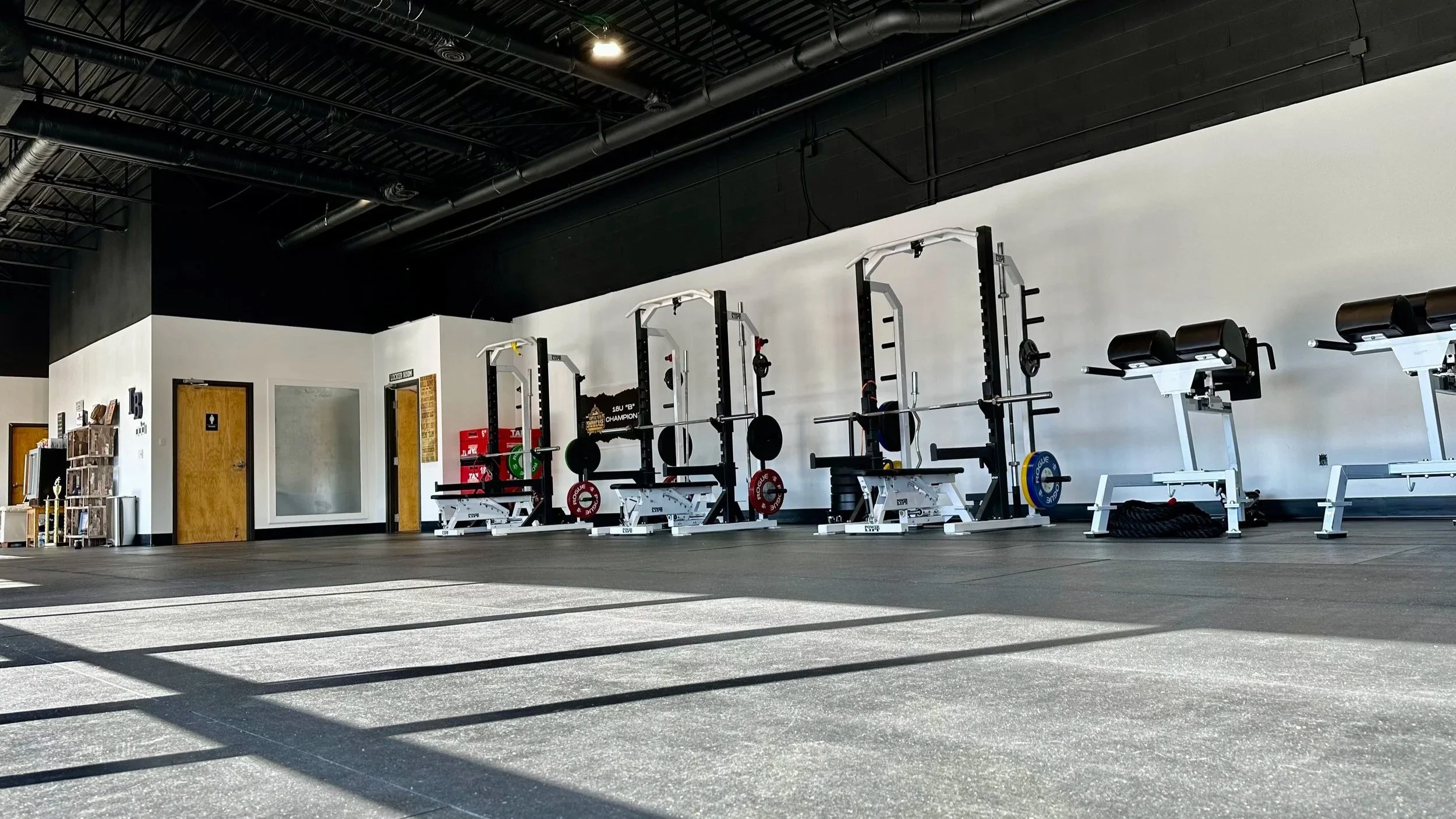
Inside Of Prehab RVA (Feb 2024)
I knew someone who had a local softball training facility.
It was a great space.
Plenty of room.
Turf.
Equipment.
Everything I needed to train people.
But like many sports facilities, it was mostly being used later in the day.
The morning hours were relatively quiet.
So I asked her a simple question:
Could I train clients here in the mornings while the facility wasn’t being used?
She said yes.
That conversation became the beginning of my gym.
No huge startup cost.
No massive lease.
No expensive buildout.
Just an underused building, an opportunity, and a reason I needed to make it work.
I started training people early in the morning.
Really early.
And slowly, clients started coming.
Then more clients.
Then small groups.
Before long, I had created something that looked a lot more like a real training business than the desperate experiment it started as.
And for a while, I thought I had figured it out.
My Original Belief Was Pretty Simple
Get people stronger.
That was the foundation.
If someone had back pain, strengthen them.
If they had knee pain, strengthen them.
If their shoulders bothered them, strengthen them.
If they were getting older and wanted to remain active, make them stronger.
And to be clear:
I still believe strength training is one of the best things most adults can do.
Strength matters.
Muscle matters.
Bone health matters.
Balance matters.
Being able to get off the floor matters.
Being able to carry groceries matters.
Being able to play with your children or grandchildren matters.
But the longer I coached people, the more I started realizing something uncomfortable.
Strength training alone wasn’t solving everything.
People Were Getting Stronger…and Still Hurting
That bothered me.
Because I wasn’t running random boot camps.
We weren’t just doing burpees until people threw up.
I cared about movement.
I cared about exercise selection.
I cared about posture, breathing, mobility, control and technique.
We were doing things that I thought should help people feel better.
And in many ways, they did.
People got stronger.
They became more confident.
They moved better.
But I still saw recurring problems.
Back pain.
Shoulder pain.
Knee pain.
Neck tension.
Hip tightness.
Old injuries flaring up.
And sometimes it seemed confusing.
How could someone be getting stronger and still have these issues?
That question ended up changing the direction of my entire business.
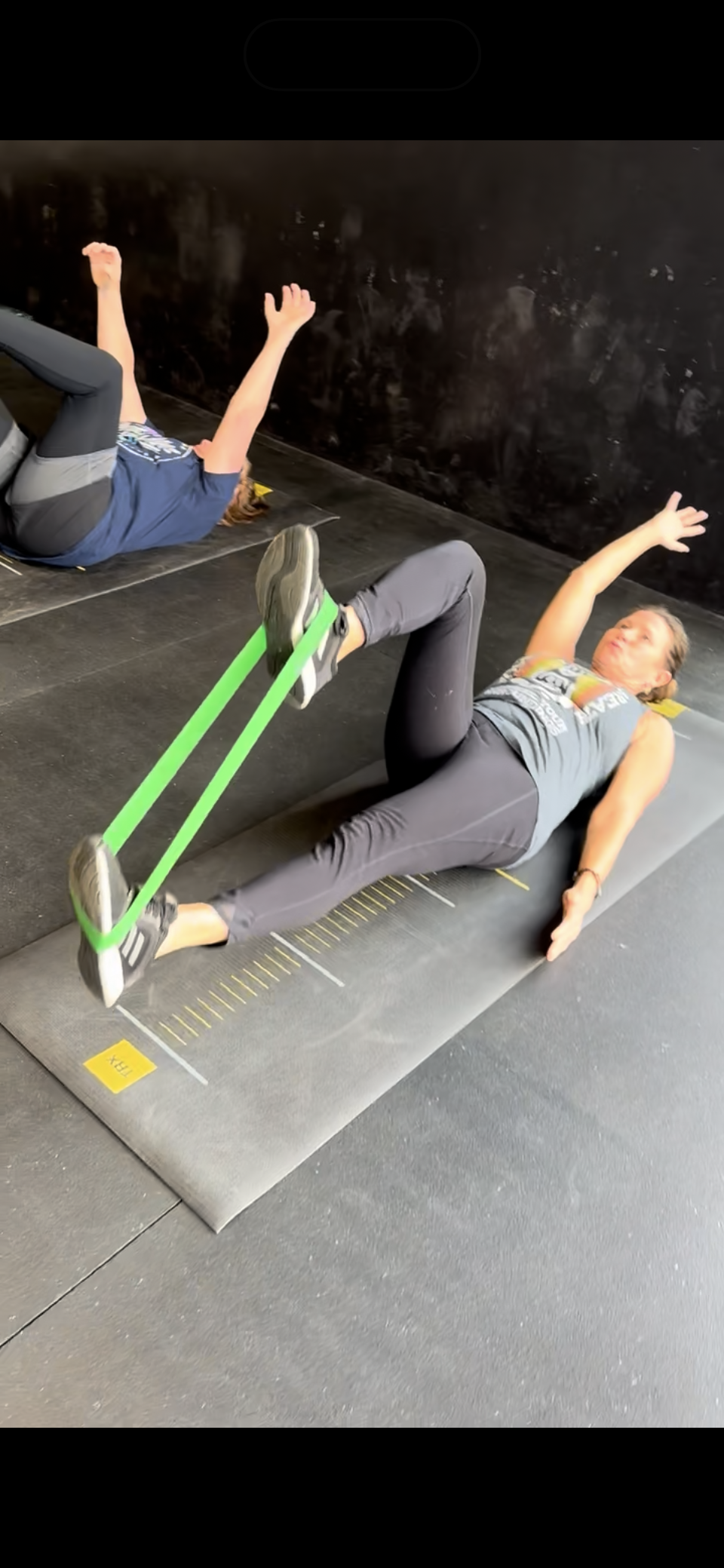
Ten People Can Do the Same Workout With Ten Completely Different Bodies
This is one of the biggest lessons coaching taught me.
Imagine I have ten people standing in front of me.
I write a great workout.
Maybe we do:
A squat.
A deadlift.
A row.
A step-up.
A carry.
Some core work.
It might be an excellent strength session.
But those ten people aren’t bringing the same body into that workout.
One person may have spent twenty years sitting at a desk.
Another might have an old ankle injury from high school.
Someone else may have very limited hip rotation.
Another person may naturally stand with their lower back extended all day.
Someone may have one shoulder that moves differently because of an old injury.
Someone else might play pickleball four days per week.
Another client may have barely exercised for the previous decade.
Someone may have great mobility but very little strength.
Someone else may be strong but have very limited movement options.
Yet during a group workout, they may all be doing relatively similar exercises.
That’s where things started clicking for me.
General strength training is incredibly valuable.
But general training can’t address every individual limitation.
Everyone Has Their Own Movement History
This is where I think fitness often gets oversimplified.
We like simple answers.
“Your glutes are weak.”
“Your core is weak.”
“You need to stretch more.”
“Your posture is bad.”
“Just squat.”
“Just deadlift.”
Real bodies aren’t usually that simple.
People are complicated.
Their bodies reflect decades of:
Work.
Sports.
Injuries.
Sitting.
Standing.
Driving.
Sleeping.
Training.
Parenting.
Stress.
Repetitive movement.
And sometimes doing almost no movement at all.
Everyone has asymmetries.
That isn’t automatically a bad thing.
The human body isn’t perfectly symmetrical.
But people can also develop patterns where they repeatedly rely on certain joints or muscles while other areas become less capable.
One hip may move differently than the other.
One ankle may have less mobility.
Someone might rotate extremely well to one side but struggle in the other direction.
Their rib cage, pelvis, hips and shoulders may interact differently depending on how they’ve moved for years.
You can’t completely address all of that in a 50-minute group strength workout.
This Was the Part I Had Underestimated
I was focused heavily on what happened during the workout.
What I wasn’t thinking enough about was what happened during the other hours of the week.
Think about it.
Even if someone trained with me three times per week for an hour each time, that’s only three hours.
There are 168 hours in a week.
What happens during the other 165?
They sit at work.
They drive.
They sleep.
They play pickleball.
They golf.
They garden.
They pick up their kids.
They stare at their phones.
They travel.
They repeat the same positions and activities over and over again.
Then they come back into the gym and we try to fix everything in an hour.
That isn’t always realistic.
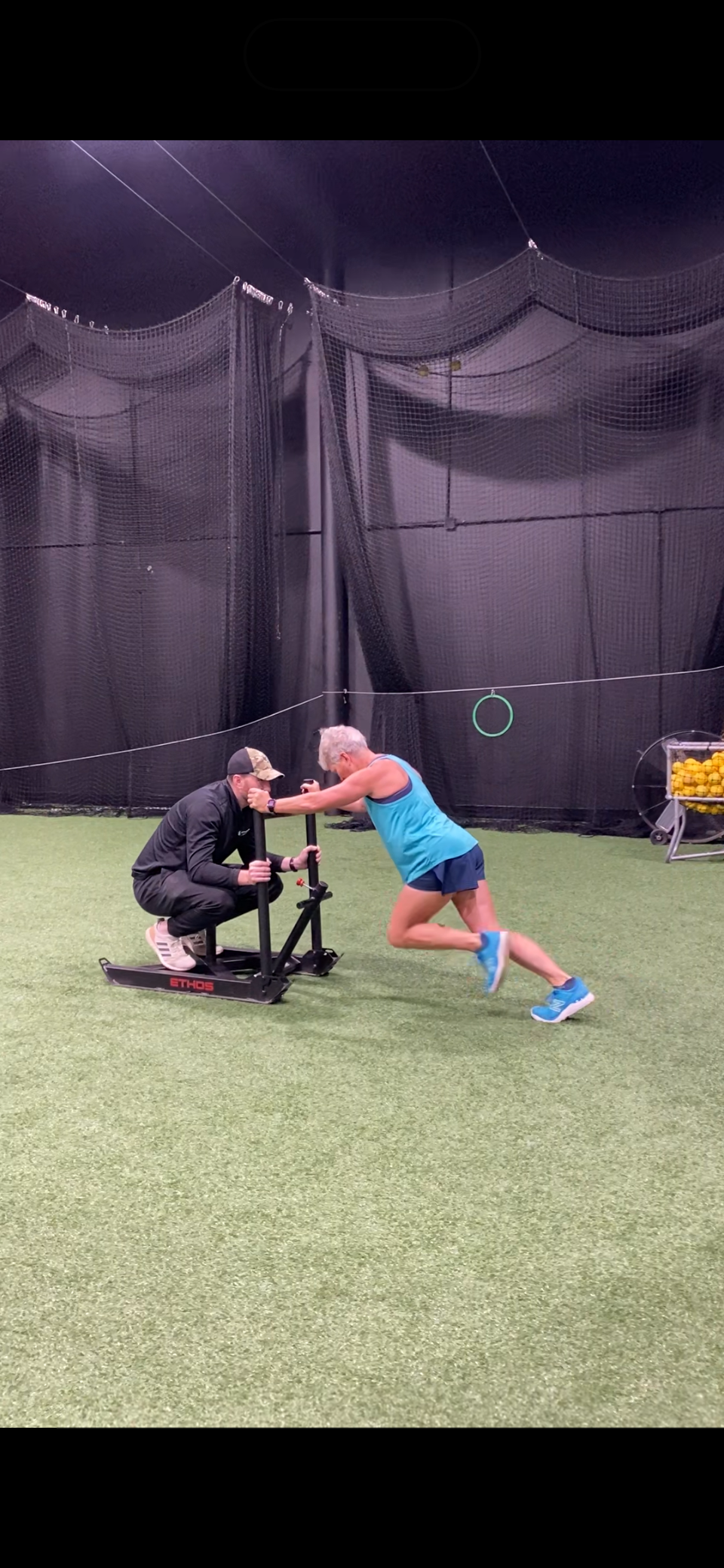
The Gym Was Only One Piece
This became one of the biggest realizations I had.
People didn’t necessarily need more workouts.
They needed a better system.
Strength training was part of it.
But so was:
Mobility.
Breathing.
Balance.
Core control.
Hip movement.
Shoulder movement.
Foot and ankle strength.
Recovery.
Warm-ups.
Cooldowns.
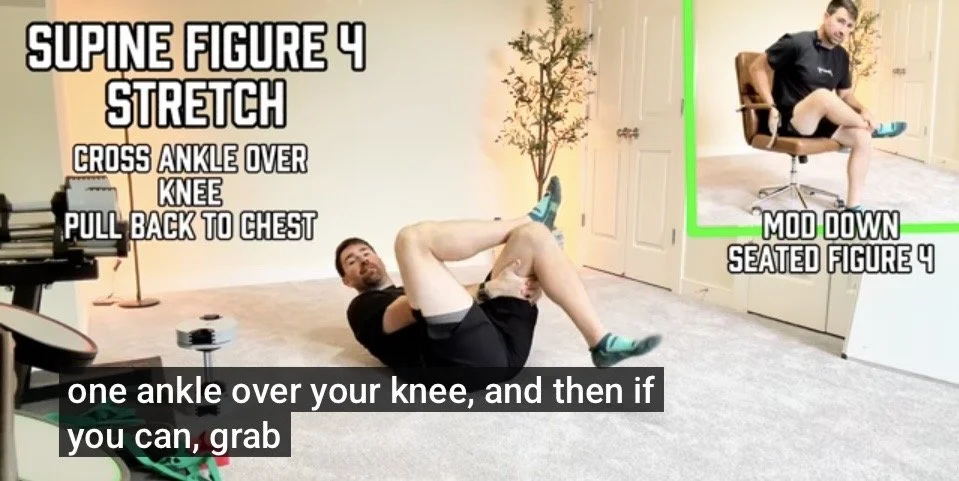
And, in some cases, a few exercises that specifically addressed what their body needed.
That work didn’t always need to happen in the gym.
In fact, some of the most valuable work could happen at home.
Five minutes.
Ten minutes.
Maybe fifteen.
Something simple enough to actually do consistently.
I Started Thinking Differently About “Prehab”
For me, prehab isn’t about predicting injuries.
We can’t guarantee that someone will never get hurt.
And I don’t think we should scare people into believing every small asymmetry is dangerous.
Prehab is more about preparation.
If you want your body to do something repeatedly, you should prepare your body to tolerate it.
If you want to play pickleball four days a week, your training should help prepare you for pickleball.
If you want to golf, your body needs enough rotation and strength to tolerate golf.
If you want to hike, your legs need to handle hills.
If you want to play with your grandkids, you probably want the ability to squat down, get off the floor and move without worrying about your back.
That’s what started becoming more interesting to me than simply asking:
“How much weight can you lift?”
The better question became:
“What do you want your body to be capable of doing?”
Pickleball Made the Problem Obvious
Pickleball has been one of the clearest examples of this for me.
People fall in love with it.
They start playing once a week.
Then twice.
Then three times.
Then suddenly they’re playing for two or three hours at a time several days per week.
And I understand why.
It’s social.
It’s competitive.
It’s fun.
It’s addictive.
But the body still has to tolerate everything happening on that court.
Think about how many times someone might:
Lunge.
Squat.
Reach.
Rotate.
Sprint.
Stop.
Change direction.
Bend over.
Push sideways.
Recover from an awkward position.
And then they repeat those movements hundreds of times.
The problem is that many players dramatically increase the amount of pickleball they’re playing without increasing the amount of preparation they’re doing for pickleball.
No warm-up.
No cooldown.
Little mobility work.
Minimal strength training.
Very little balance or deceleration training.
They simply play more.
Eventually, something starts talking to them.
A knee.
A back.
A shoulder.
An elbow.
An Achilles.
And then the question becomes:
“Why does pickleball hurt me?”
Sometimes the better question is:
“Have I prepared my body for this much pickleball?”
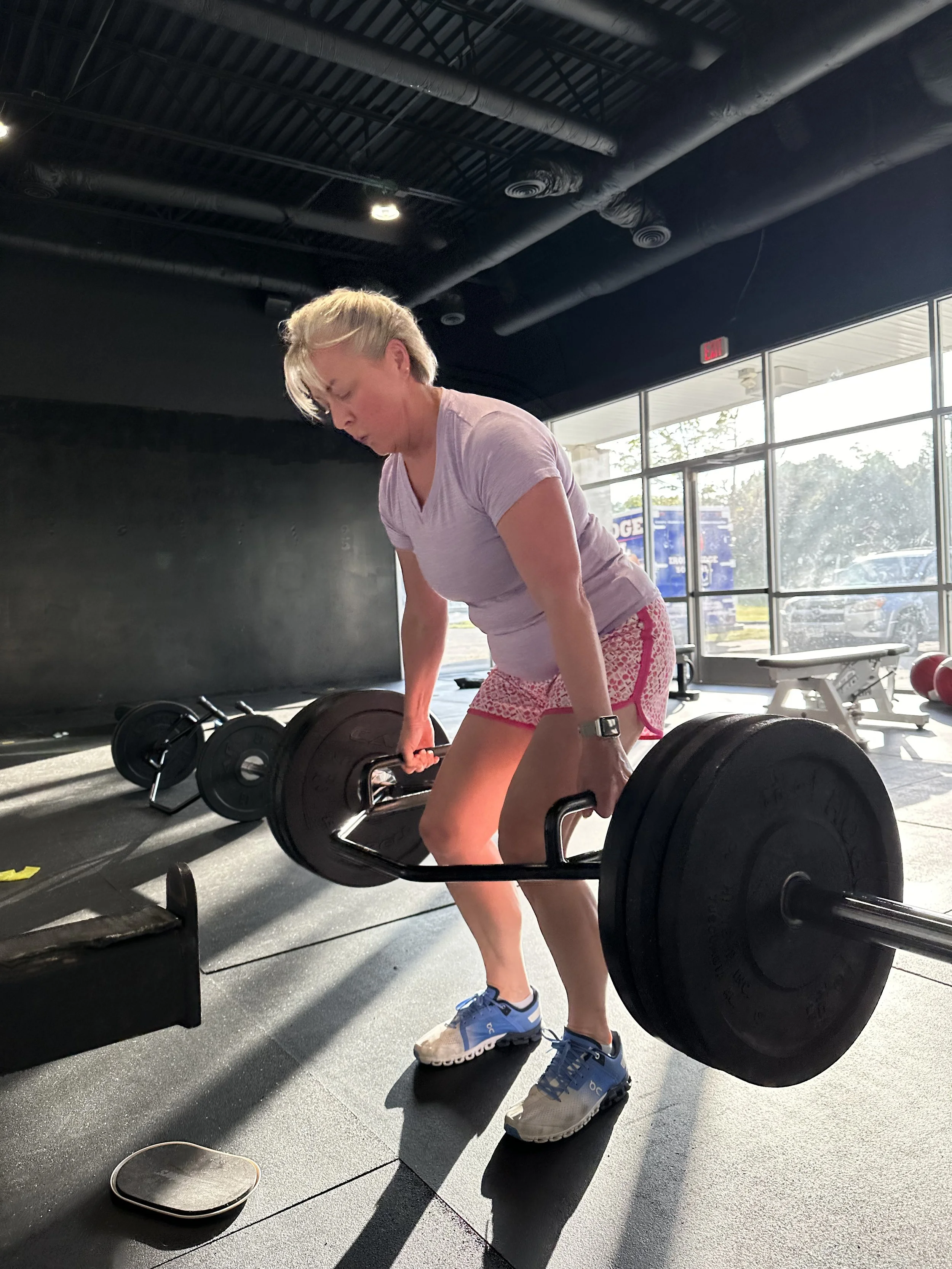
Playing Your Sport Isn’t Always Enough to Prepare You for Your Sport
This is another idea I wish more people understood.
Playing pickleball makes you better at playing pickleball.
But it doesn’t automatically develop every physical quality necessary to keep playing pickleball.
The same is true for golf.
Running.
Tennis.
Basketball.
Almost any activity.
Your sport creates demands.
Training helps build your capacity to handle those demands.
Those aren’t exactly the same thing.
A pickleball player may need better:
Leg strength.
Hip mobility.
Core control.
Balance.
Rotation.
Calf strength.
Hamstring strength.
Deceleration.
Shoulder strength.
Endurance.
And simply playing another two hours of pickleball may not improve all of those things.
Sometimes it just adds another two hours of stress to the same areas.
This Is Where I Think I Failed
This is probably the hardest part for me to admit.
I became very focused on building a good gym.
Good programming.
Good workouts.
Good coaching.
And those things mattered.
But I thought that if I simply created better strength workouts, most of people’s physical problems would improve.
I don’t believe that anymore.
I think I underestimated how much individual work some people needed outside of our sessions.
I underestimated how different everyone’s body really is.
And I underestimated how difficult it is to address someone’s specific movement needs inside a group strength-training environment.
That doesn’t mean group training is bad.
Far from it.
Group training can be amazing.
It’s social.
It’s motivating.
It’s cost-effective.
And strength training can change someone’s life.
But it has limitations.
And recognizing those limitations changed the way I coach.
Sometimes the Missing Piece Is Ten Minutes at Home
This became a really important idea for me.
Someone may not need another hour-long workout.
Maybe they need ten minutes.
Ten minutes to work on their hips.
Ten minutes to restore movement after sitting all day.
Ten minutes of hamstring and core work.
Ten minutes of shoulder mobility.
Ten minutes of balance.
Ten minutes to prepare for pickleball.
Ten minutes to cool down afterward.
That doesn’t sound impressive.
It doesn’t sound like the kind of thing that gets millions of views on social media.
But done consistently?
Those small pieces add up.
And they may allow the strength training you’re already doing to work even better.
I Stopped Wanting to Make People Better at the Gym
This was probably the biggest shift.
At first, I wanted people to become better exercisers.
Better squats.
Better deadlifts.
More weight.
More reps.
More strength.
Now I care much more about whether their training makes their life better.
Can you play pickleball without constantly worrying about your back?
Can you carry your luggage through an airport?
Can you get off the floor?
Can you run around with your kids?
Can you hike on vacation?
Can you play eighteen holes of golf?
Can you continue doing those things ten years from now?
That’s what training should be preparing you for.
The gym is simply one tool to get you there.
And Ironically, It Brought Me Back to Online Training
This is the funny part.
I originally moved toward in-person training because my online business wasn’t financially sustainable enough.
I needed income.
My wife was pregnant.
Life was changing quickly.
So I found a physical space and started training people.
But coaching people in person ended up teaching me what I had been missing online.
People didn’t just need access to workouts.
They needed a system that could fit into the rest of their lives.
Something they could use:
At home.
Before pickleball.
After pickleball.
While traveling.
Between strength workouts.
When their hips feel stiff.
When their shoulders need attention.
When they only have ten minutes.
That realization became a big part of the thinking behind Prehab 365.
Why I Built Prehab 365 Differently
I didn’t want to build another program that simply gave someone another hard workout to complete.
There are thousands of those already.
I wanted to give people tools they could use consistently.
Strength.
Mobility.
Core training.
Balance.
Targeted prehab.
Warm-ups.
Cooldowns.
Short flexibility sessions.
Things designed to complement the activities they already love.
The goal isn’t:
Do more exercise.
The goal is:
Build a body capable of doing more life.
The Gym Didn’t Fail Me
I sometimes think about the gym as something that didn’t work exactly the way I imagined.
But that’s probably unfair.
Because the gym taught me lessons I wouldn’t have learned otherwise.
It taught me that strength training matters tremendously.
It also taught me that strength isn’t everything.
It taught me that people are far more individual than a spreadsheet of exercises can account for.
It taught me that the things people do outside the gym matter just as much as the things they do inside of it.
And it taught me that the best fitness program isn’t necessarily the one that makes you the most tired.
It’s the one that helps you keep doing the things you love.
That lesson has shaped almost everything I do now.
What I Believe Today
Today, my approach is pretty simple.
Get strong.
You need strength.
Keep moving.
Your body needs access to different positions and movements.
Work on your individual limitations.
Not because you need to become perfectly symmetrical, but because more movement options can give your body more ways to solve problems.
Prepare for the activities you love.
Warm up.
Build capacity.
Recover.
Do small amounts consistently.
Five or ten minutes done frequently can be far more useful than an hour you never do.
And most importantly:
Don’t train just so you can exercise more.
Train so you can live more.
If that’s pickleball, let’s help you play pickleball.
If it’s golf, let’s prepare you for golf.
If it’s hiking, traveling, running, gardening, or playing with your children or grandchildren, let’s prepare you for that.
Because at the end of the day, most people don’t really care about becoming great at working out.
They just want their body to stop getting in the way of their life.
And that’s what I’m trying to help people do.
Less aches. More confidence. More life.
-Coach Garrett
